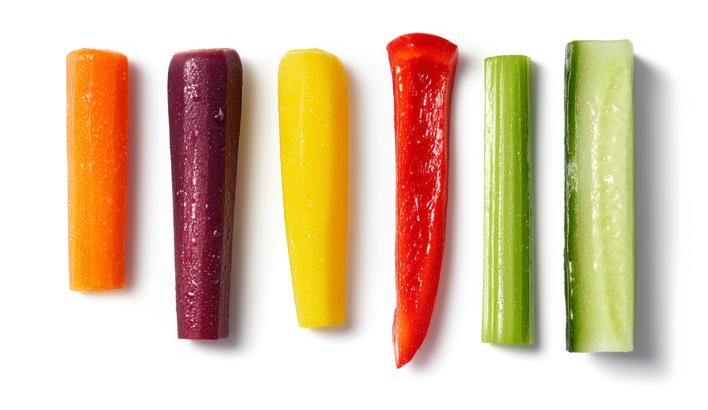
supports each color in a different way
Discover how each vegetable in the Mártika cup contributes to your body’s health and well-being! A bit of vegetable history and some chemistry:
Carrot
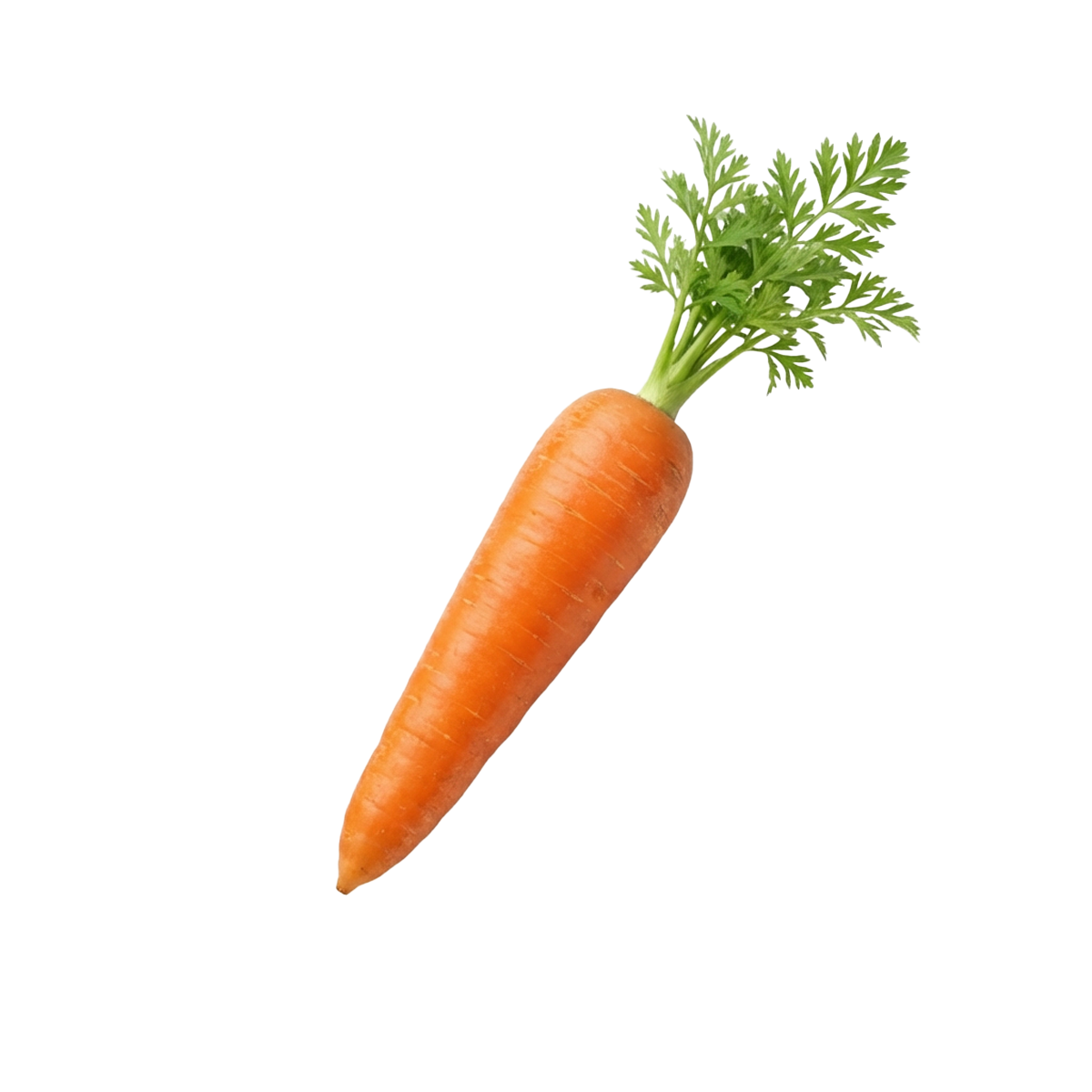
The bright orange carrots we know today were bred by the Dutch in the 17th century. According to legend, the color became popular as a symbol of respect for William of Orange (Oranje/Narancs), although historically it spread mainly because of the improved flavor and shelf life resulting from the crossbreeding of yellow and purple varieties. Yellow carrots are one of the best natural sources of beta-carotene, which the body converts into vitamin A—an essential nutrient for maintaining healthy vision and skin.
MAIN NUTRIENTS
-
A precursor to vitamin A and a powerful antioxidant. It supports vision, the immune system, and skin health.
-
It contributes to normal blood pressure and muscle function.
-
Antioxidant protection and support for blood clotting.
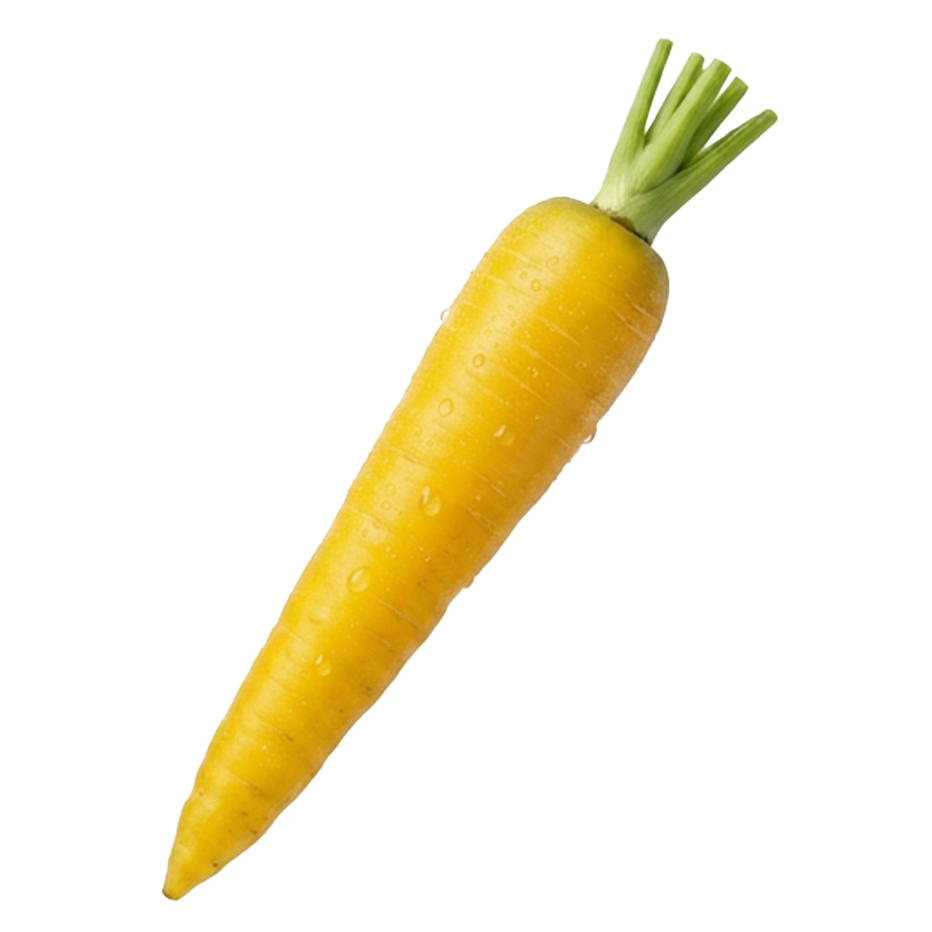
Lemon-yellow carrot
The ancestor of the carrot, which originated in Persia, was not originally orange. The first known carrots were purple, yellow, white, and even sometimes greenish. Purple carrots are rich in anthocyanins, which have powerful antioxidant properties. They help protect cells and slow down the aging process.
MAIN NUTRIENTS
-
The body cannot produce it, so we must obtain it through our diet.
Lutein is a natural carotenoid antioxidant that primarily supports eye health: it accumulates in the macula of the retina and filters out harmful blue light. It may help reduce the risk of age-related macular degeneration and cataracts, and it also protects cells from oxidative stress.
-
It contributes to normal blood pressure and muscle function.
-
Antioxidant protection and support for blood clotting.
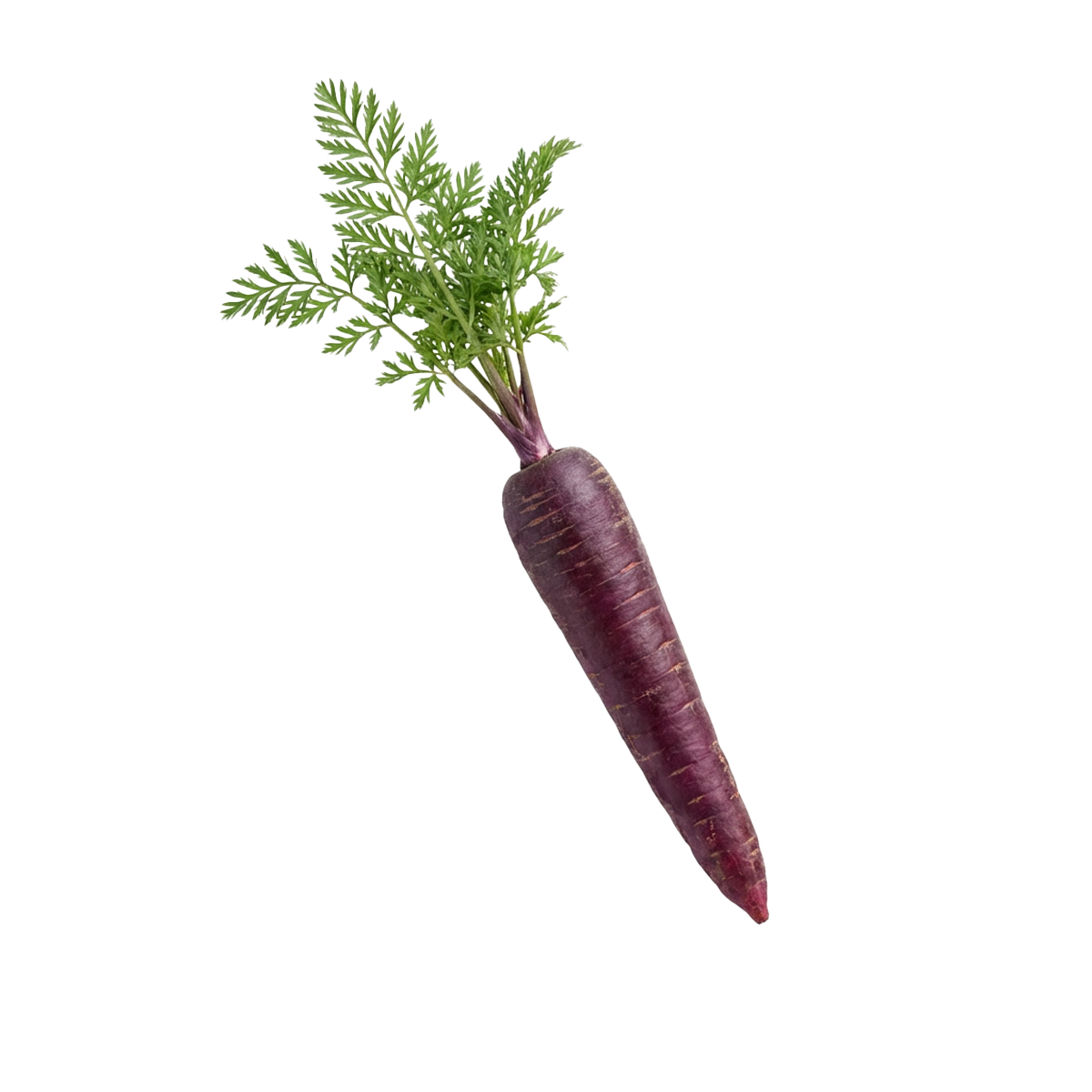
Purple Carrot
The ancestor of the carrot, which originated in Persia, was not originally orange. The first known carrots were purple, yellow, white, and even sometimes greenish. Purple carrots are rich in anthocyanins, which have powerful antioxidant properties. They help protect cells and slow down the aging process.
MAIN NUTRIENTS
-
Powerful antioxidants with anti-inflammatory properties that support heart health.
-
It contributes to normal blood pressure and muscle function.
-
It supports vision and the immune system.
multiple colors
→
more fun
→
more colors → more fun →
California bell pepper
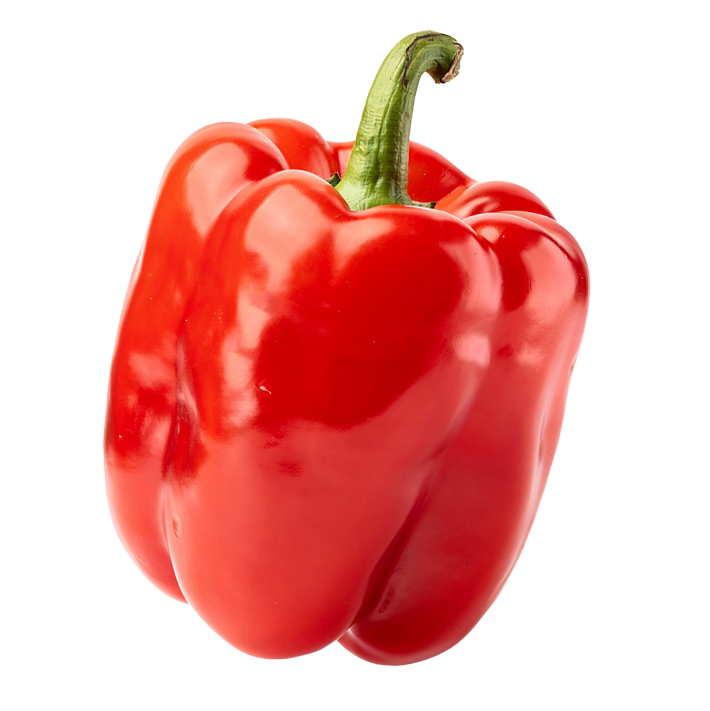
California peppers are a fleshy, sweet variety of the Capsicum annuum species. They are native to Central and South America. The red variety is fully ripe, making it the sweetest and richest in nutrients. California bell peppers are one of the richest natural sources of vitamin C: 100 grams provide more than 140% of the daily requirement! They’re also rich in beta-carotene and vitamin B6, and their crisp, sweet flavor makes them the perfect snack.
MAIN NUTRIENTS
-
It strengthens the immune system and provides antioxidant protection.
-
It supports vision and skin health.
-
They contribute to metabolism and the functioning of the nervous system.
Celery Stalks
ALLERGEN
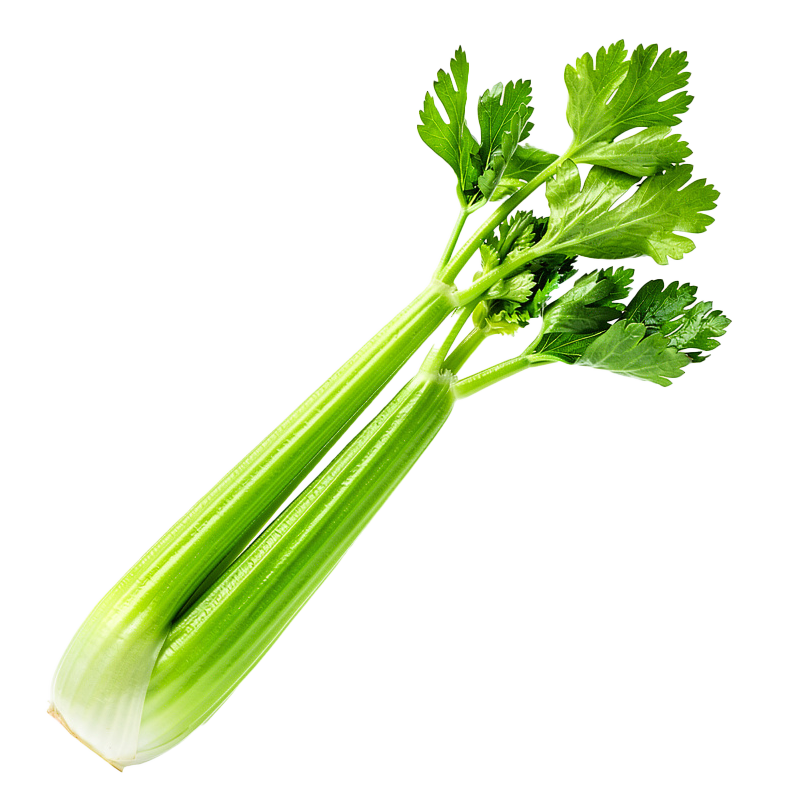
Celery has been known as both a medicinal herb and a vegetable since ancient times. The ancient Egyptians, Greeks, and Romans all used it—initially more for medicinal purposes than for food. Celery stalks are extremely low in calories, yet rich in vitamin K and potassium. Their high water content makes them excellent for hydration, while their natural sodium content helps maintain electrolyte balance.
MAIN NUTRIENTS
-
It is important for blood clotting and bone health.
-
They contribute to normal blood pressure and cell function.
-
Plant compounds with anti-inflammatory effects.
Snake Cucumber

The cucumber is one of the oldest cultivated vegetables—it has been consumed in India and Mesopotamia for more than 3,000 years. According to a little-known story, George Stephenson, the father of the steam locomotive, experimented passionately with growing cucumbers in his later years and designed glass cylinders to ensure the crop grew perfectly straight. The cucumber is a low-calorie vegetable with excellent hydrating properties. With a water content of 96%, it is refreshing and light, making it the perfect snack at any time.
MAIN NUTRIENTS
-
Supports blood clotting and bone health
-
It contributes to normal blood pressure and cell function.
-
They protect cells and aid digestion.